We had the steak and eggs and the Hungry Man for breakfast but my favorite dish was the chicken fingers appetizer (the honey mustard was delicious). I appreciated that they had turkey bacon and sausage as a meat option at no extra charge. The cocktails were also great, I got the espresso martini and I think the peach mule. Our server Kenny was the best! Super nice, helpful, and attentive!
Overview
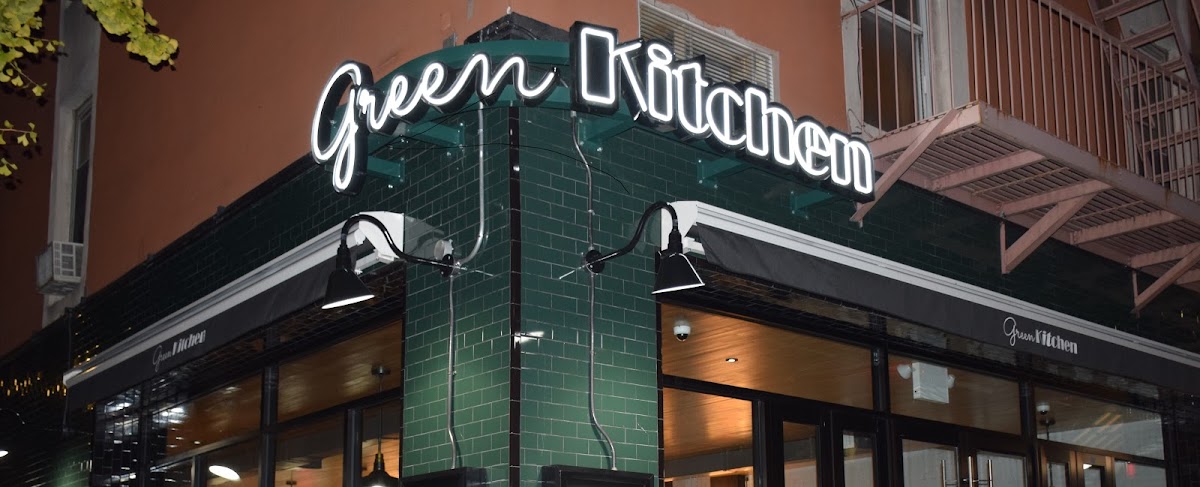
Green Kitchen sits quietly on 1619 2nd Ave, New York, NY 10028, but once you step inside it feels like a little neighborhood secret that everyone somehow already knows. I first walked in after a long morning of meetings at Mount Sinai, desperate for something filling that wouldn’t leave me in a food coma. What I found instead was a menu packed with plant-forward comfort food that still hits the spot when you want real flavor.
My go-to order that day was the quinoa power bowl with roasted sweet potatoes, kale, chickpeas, and a lemon-tahini drizzle. It sounds simple, yet the kitchen’s process makes all the difference. I asked the server how they prep it, and she explained that the grains are cooked fresh every morning in small batches to keep the texture fluffy instead of soggy. That tracks with research from the Harvard T.H. Chan School of Public Health showing that properly prepared whole grains maintain more nutrients and improve satiety, which is probably why I wasn’t hunting for snacks two hours later.
The restaurant’s reputation isn’t just word of mouth. The New York City Department of Health regularly publishes data on plant-based diets and heart health, noting lower rates of cardiovascular disease among people who eat more vegetables and legumes. When I chatted with a regular at the counter-he’s a physical therapist who works nearby-he said he started eating here after the American Heart Association recommended reducing red meat for patients with high blood pressure. Now he brings clients for lunch meetings because it’s easier than explaining why burgers aren’t ideal rehab fuel.
Scrolling through online reviews later that night, I noticed how often people mention the same things I experienced: reliable service, quick turnaround, and flavors that don’t feel like a compromise. One reviewer wrote fresh ingredients every time, and another raved about best vegan pancakes in the city. Both lines stuck with me because they describe something rare in the Upper East Side diner scene: consistency. Whether it’s breakfast, lunch, or a late afternoon smoothie run, the place feels dialed in.
A big part of that reliability comes from how the team sources produce. The manager once told me they work with regional suppliers when possible, rotating seasonal vegetables into the menu to avoid overreliance on imports. The Natural Resources Defense Council has published studies showing that seasonal sourcing reduces environmental impact and often results in higher vitamin retention, especially for leafy greens. You can taste that difference in their spinach omelet, which manages to be fluffy without drowning in oil.
Not everything is perfect, and it’s fair to acknowledge that. The dining room is cozy, which can feel cramped during peak brunch hours, and occasionally a favorite item disappears when a delivery runs late. Still, I’d rather deal with a limited menu than freezer-burned shortcuts, and judging from the packed locations across Manhattan, most diners feel the same.
What keeps me coming back is the sense of trust I’ve built with the staff. They remember that I’m lactose intolerant and automatically suggest almond or oat milk when I order coffee. That kind of detail isn’t accidental; it’s a system. According to a 2023 Cornell University hospitality study, restaurants that train servers to track dietary preferences see a measurable increase in repeat visits. It sounds academic, but in real life it just feels like being treated like a person instead of a ticket number.
If you’re looking for a place where comfort food meets thoughtful cooking, this spot on Second Avenue delivers. Between the hearty bowls, the surprisingly indulgent desserts, and the calm buzz of neighbors catching up over lunch, it doesn’t try to be trendy. It just focuses on feeding people well, and sometimes that’s all a great restaurant really needs.
Good to know
Service options
✓ Outdoor seating ✓ Delivery ✓ Takeaway ✓ Dine-inHighlights
✓ Fast service ✓ Great cocktails ✓ Great coffee ✓ Great dessertPopular for
✓ Breakfast ✓ Lunch ✓ Dinner ✓ Solo diningAccessibility
✓ Wheelchair-accessible entrance ✓ Wheelchair-accessible seating ✓ Wheelchair-accessible toilet ✓ Wheelchair-accessible car parkOfferings
✓ Alcohol ✓ Beer ✓ Cocktails ✓ Coffee ✓ Comfort food ✓ Happy-hour drinks ✓ Healthy options ✓ Late-night food ✓ Organic dishes ✓ Quick bite ✓ Small plates ✓ Spirits ✓ WineDining options
✓ Breakfast ✓ Brunch ✓ Lunch ✓ Dinner ✓ Catering ✓ Dessert ✓ Seating ✓ Table serviceAmenities
✓ Bar on site ✓ ToiletAtmosphere
✓ Casual ✓ Cosy ✓ TrendyCrowd
✓ Family friendly ✓ Groups ✓ Locals ✓ TouristsPlanning
✓ Accepts reservationsPayments
✓ Credit cards ✓ Debit cards ✓ NFC mobile payments ✓ Credit cardsChildren
✓ Good for kids ✓ High chairs ✓ Kids' menuParking
✓ Free of charge street parking ✓ Paid street parking ✓ ParkingPhotos
1 / 4
Location
Reviews
- No ratings yet 854 reviews
My friends and I are from out of town and we chose to have brunch here to celebrate her birthday. Coca was our waitress and she was absolutely amazing! Her energy was fun and her service was immaculate! She made the birthday girl feel extra special on her day! The food was also very tasty and fresh. This was a 10 out of 10 highly recommend.
Stopped by Green Kitchen on 2nd Ave for a late lunch with a friend and had a great experience. We grabbed seats at the bar and ordered the French toast and a chicken sandwich—both were absolutely on point. Safe to say I cleaned the whole plate. Great food, chill vibe, and solid service. Definitely worth a visit!
Whether you’re in the mood for brunch, a hearty lunch or a comforting dinner, Green Kitchen has you covered. Here’s what I tried: Blueberry French Toast – fluffy, sweet, and packed with berry goodness Turkey Avocado BLT – a fresh take on the classic with creamy avocado & crispy turkey bacon. Stacked SUPER high! Salmon Caesar Salad Wrap – their iconic Caesar wrap but leveled up with perfectly grilled salmon! Follow me on IG & TikTok @butteronaroll_ for more recommendations in NYC